Skip to content
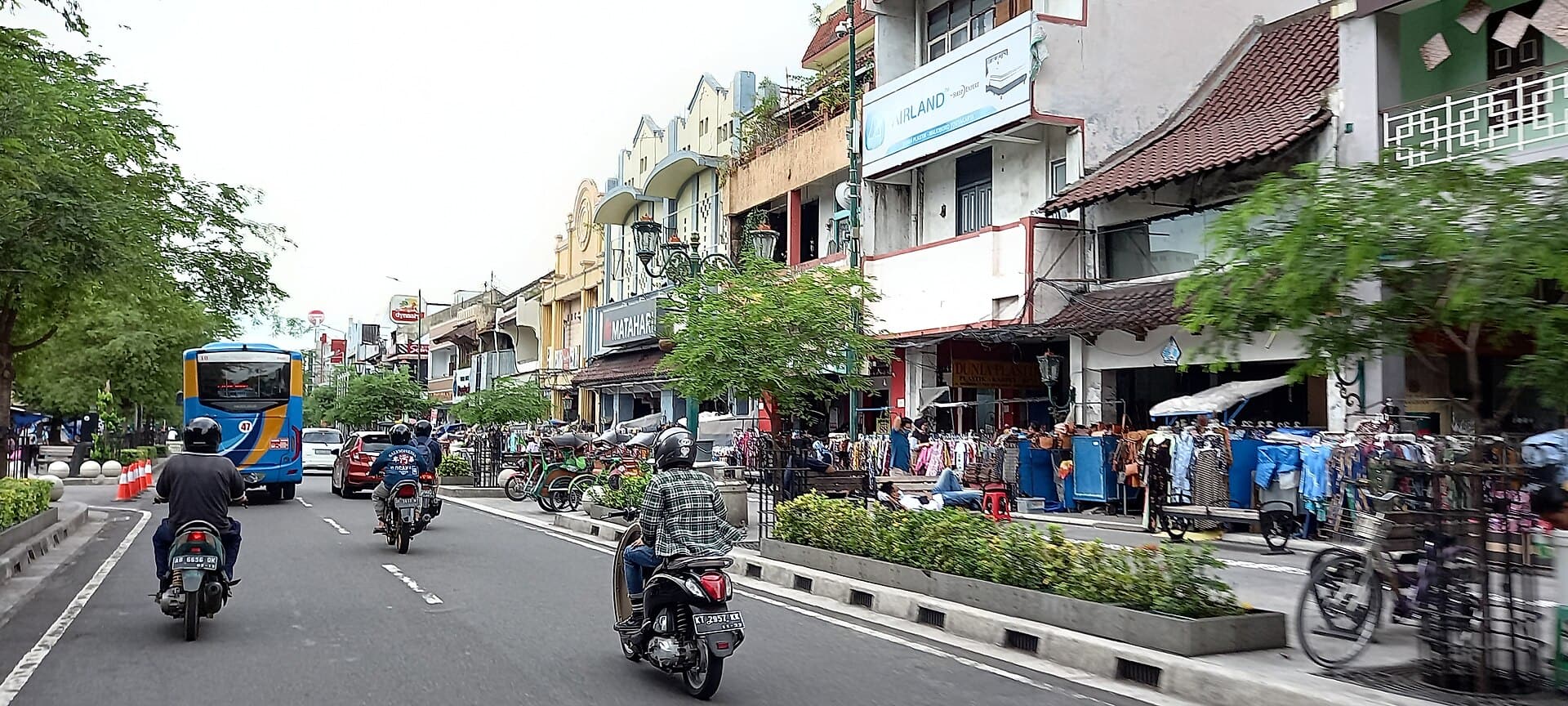
Shophouses, trees and motorbikes along Malioboro Street

Things to Do on and around Malioboro

From the white monument in the north to the palace in the south — and the temples, volcano and coast beyond.

Malioboro can be walked in twenty minutes or explored for days. The street is the thread; the places below are what hangs on it.

We have grouped them into three: what you find on and around the street itself, from the Tugu monument to Titik Nol; the Kraton and the royal city just to the south; and the classic day trips that most visitors make from a hotel near Malioboro.
On and around Malioboro Street

Shophouses, trees and motorbikes along Malioboro Street by day On and around Malioboro Street

Malioboro Street

Yogyakarta’s famous main street, end to end

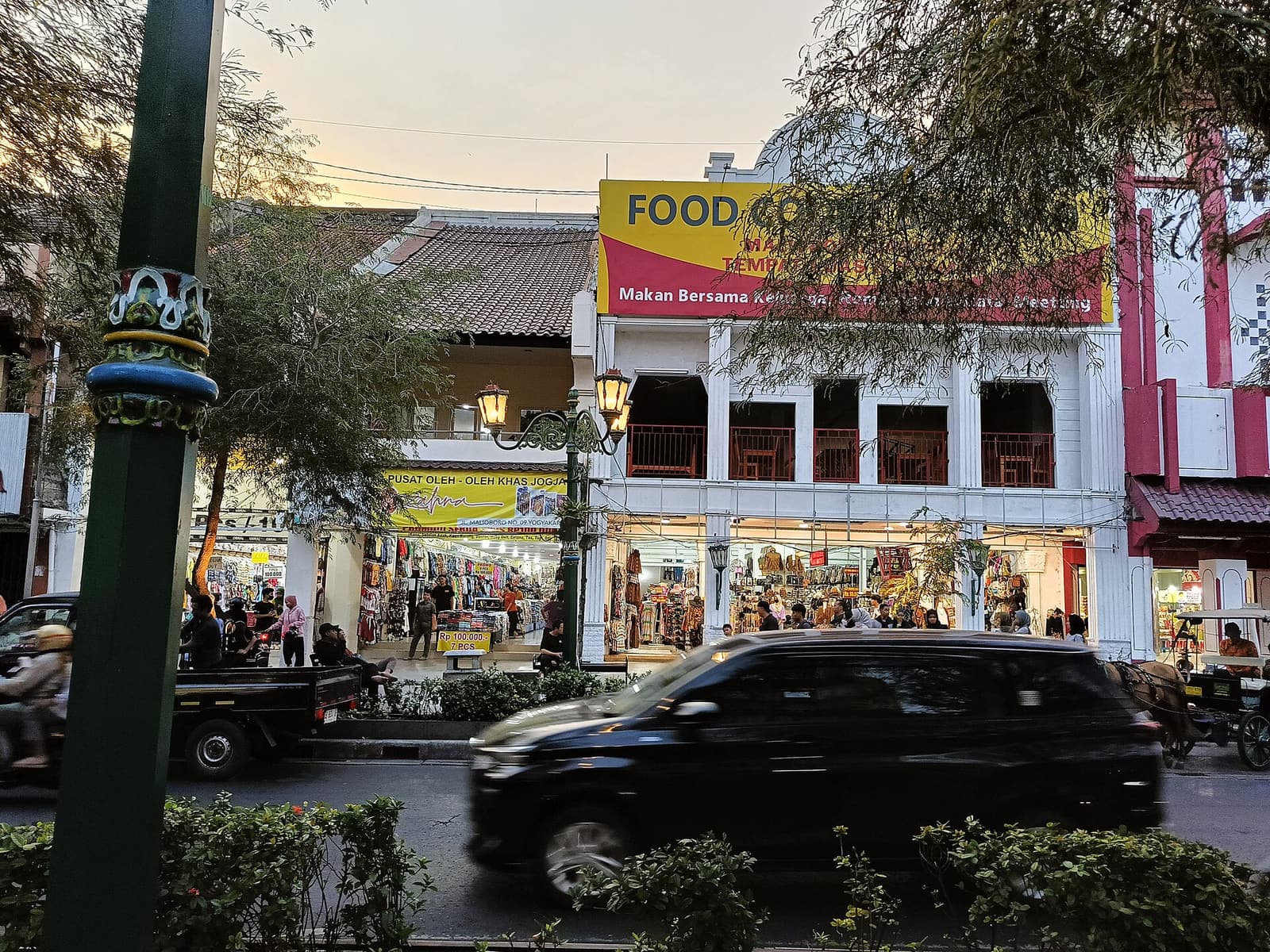
Jalan Malioboro is the spine of Yogyakarta: a straight street of shophouses, arcades, markets and hotels running south from the railway line near Tugu station towards the Sultan’s palace. It is busiest after dark, when the pavements fill with strollers, musicians, becak and horse carts.

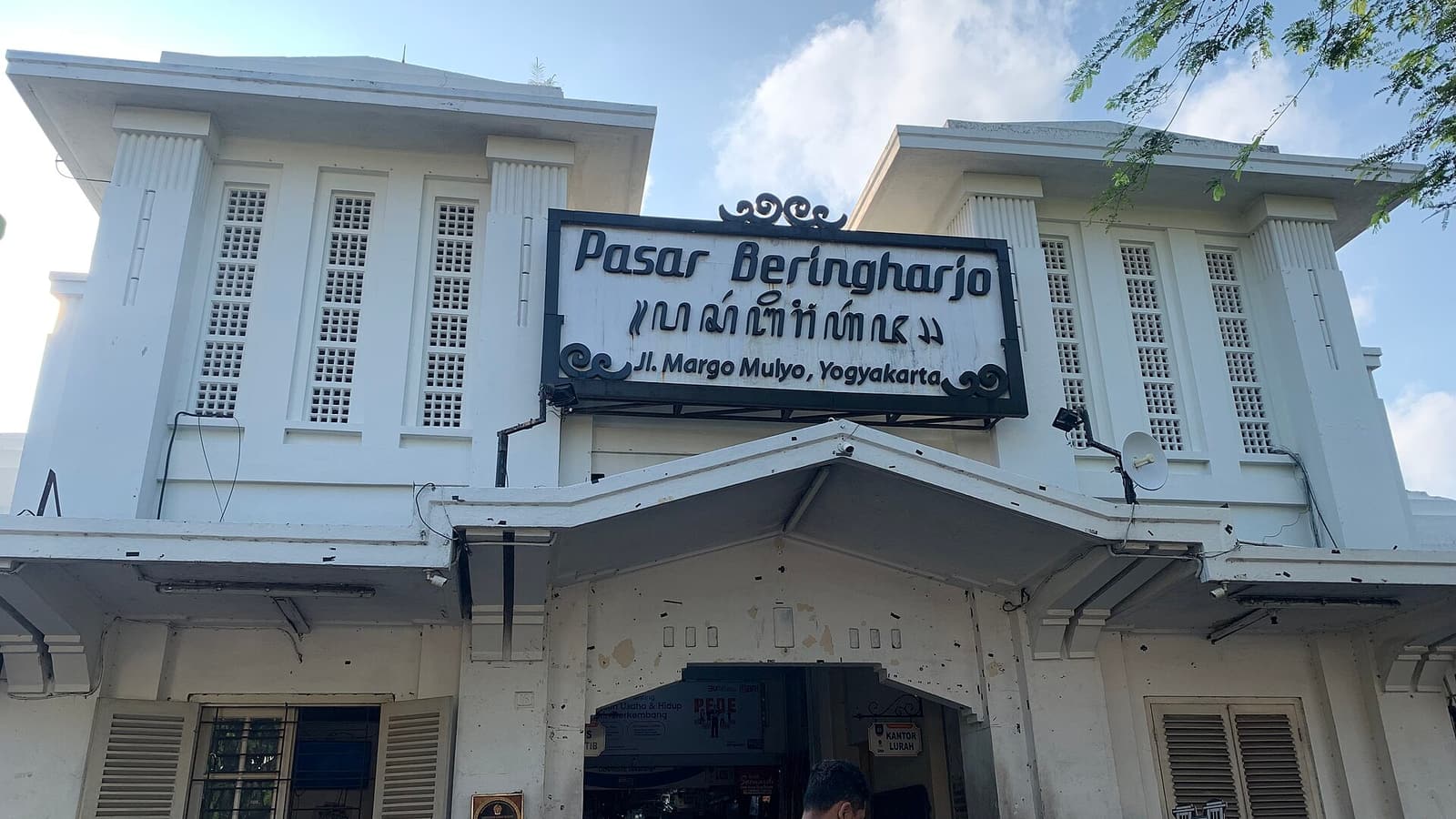
The white art-deco entrance of Pasar Beringharjo with its Javanese-script sign On and around Malioboro Street

Pasar Beringharjo

The city’s great market, since the 18th century

Yogyakarta’s oldest and largest traditional market stands at the southern end of Malioboro. The front halls are packed with batik at every price; deeper in you find spices, jamu herbs, snacks, basketware and second-hand goods.

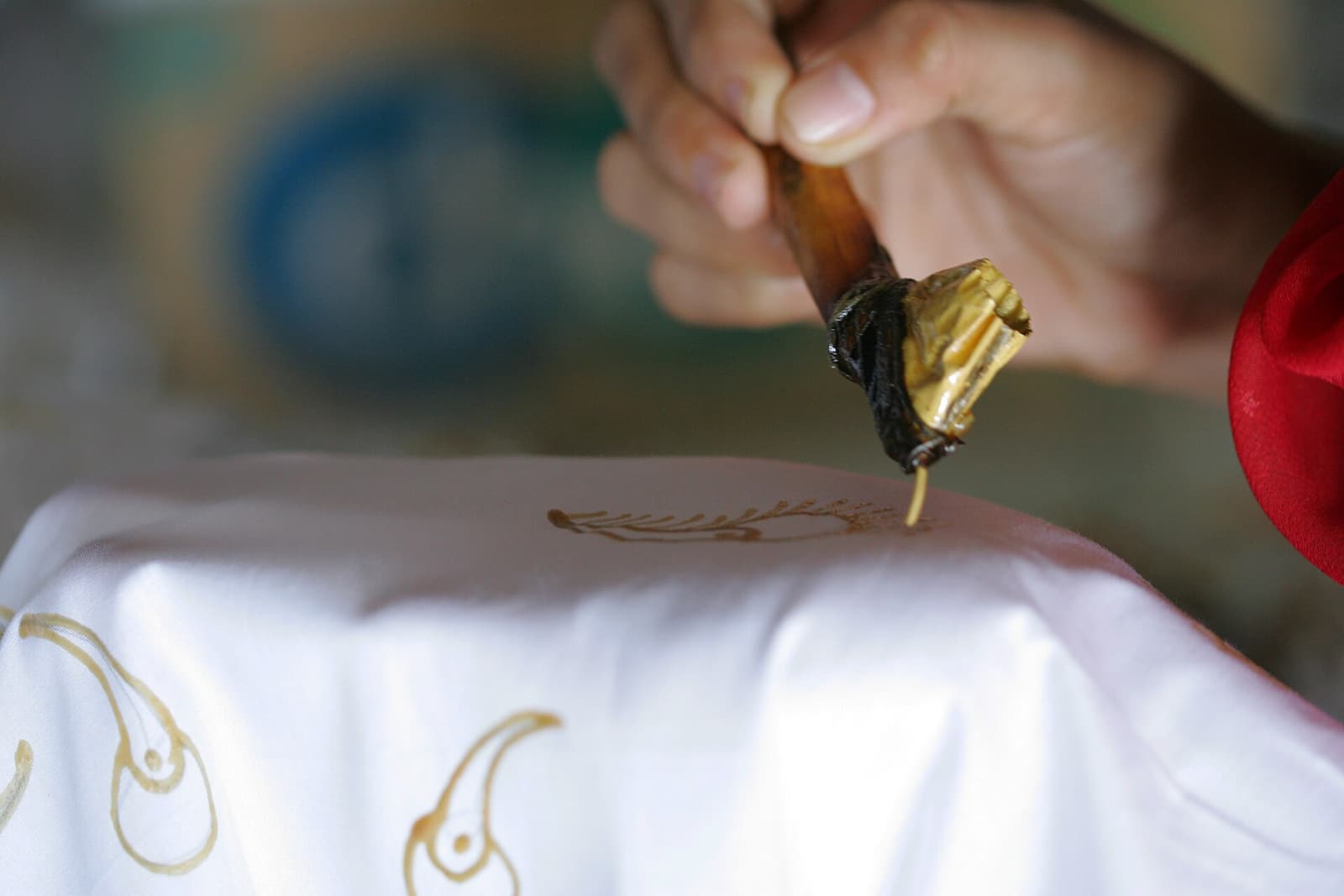
A canting pen applying a line of hot wax to white cloth On and around Malioboro Street

Batik Shopping on Malioboro

Tulis, cap or print — and how to tell

Malioboro is the best-known place in Java to buy batik, from fixed-price stores such as Hamzah Batik to market stalls and street-side racks. Knowing the difference between hand-drawn, stamped and printed cloth saves money and disappointment.

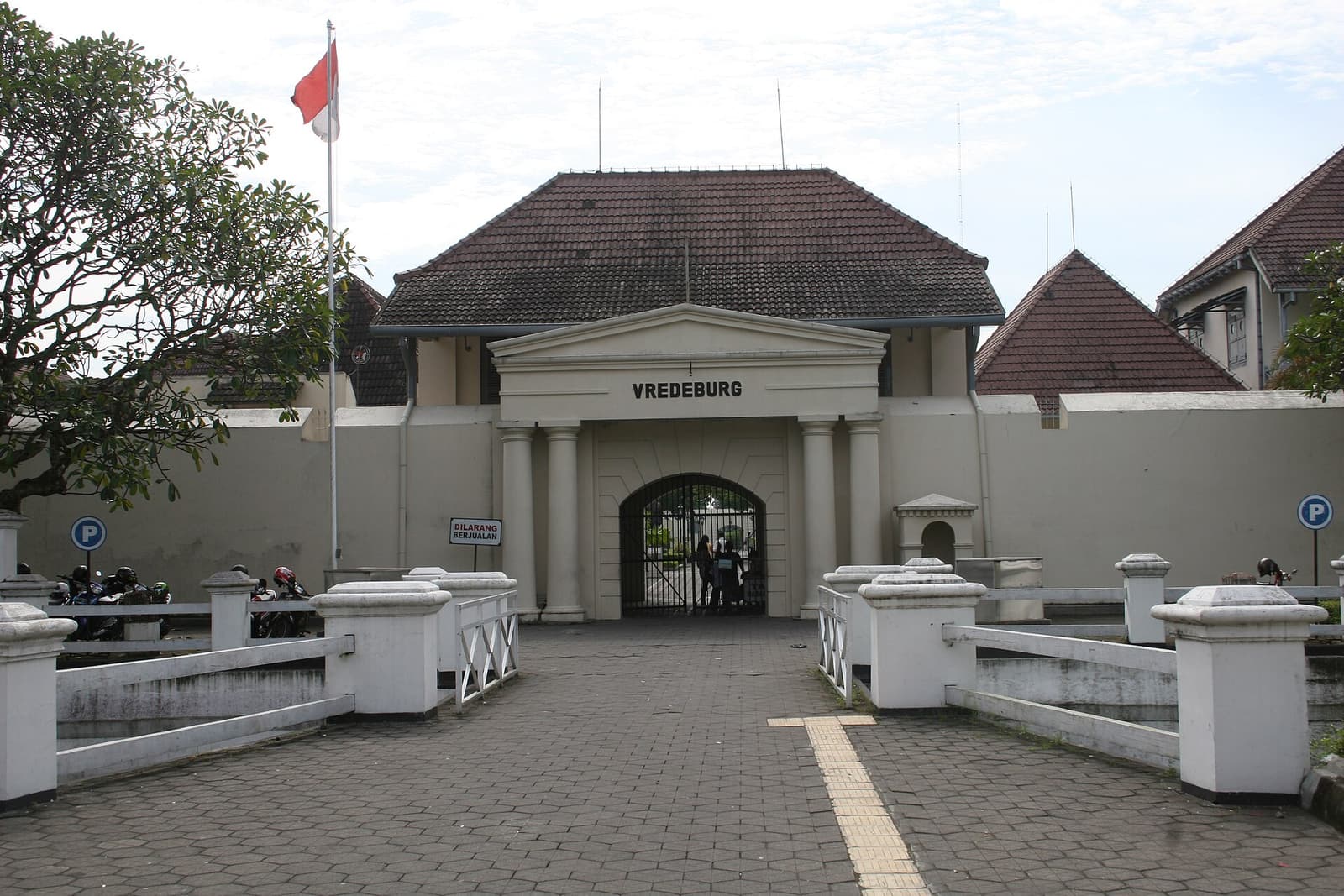
The white gate of Fort Vredeburg seen across its bridge and moat On and around Malioboro Street

Fort Vredeburg Museum

A Dutch fort facing the Sultan’s road

Built by the Dutch in the 18th century within cannon-shot of the Kraton, Fort Vredeburg is now a museum of Indonesia’s independence struggle, with dioramas inside restored barracks and a quiet courtyard just off the street.

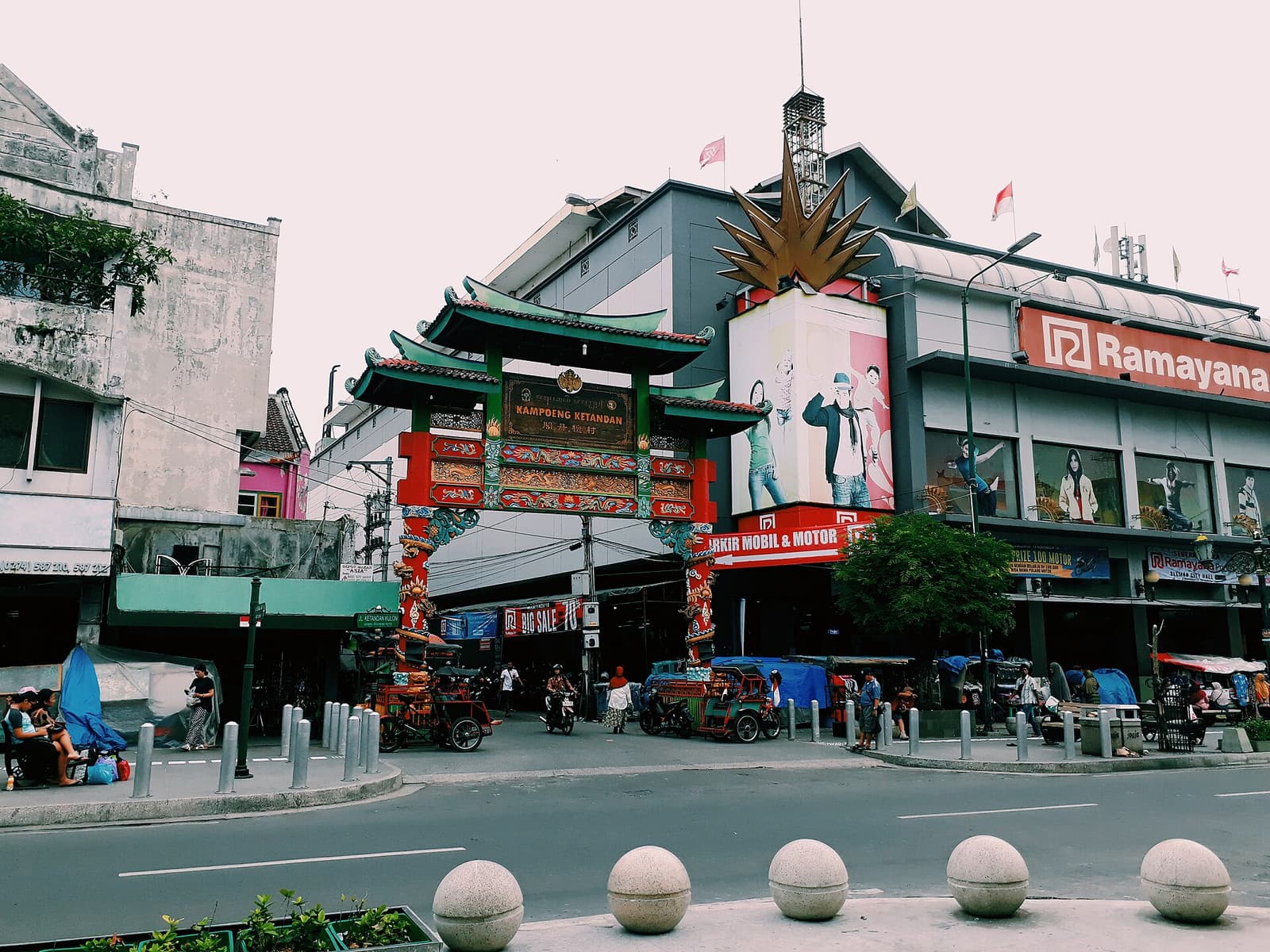
The Chinese-style gate of Kampung Ketandan beside Malioboro On and around Malioboro Street

Kampung Ketandan (Chinatown)

A Chinese gate and lanes of old shophouses

Ketandan is Yogyakarta’s historic Chinese quarter, entered through a red-and-gold gate on the east side of Malioboro. Its lanes hold old shophouses, gold shops and food, and it hosts the city’s Chinese cultural festival around the Lunar New Year.

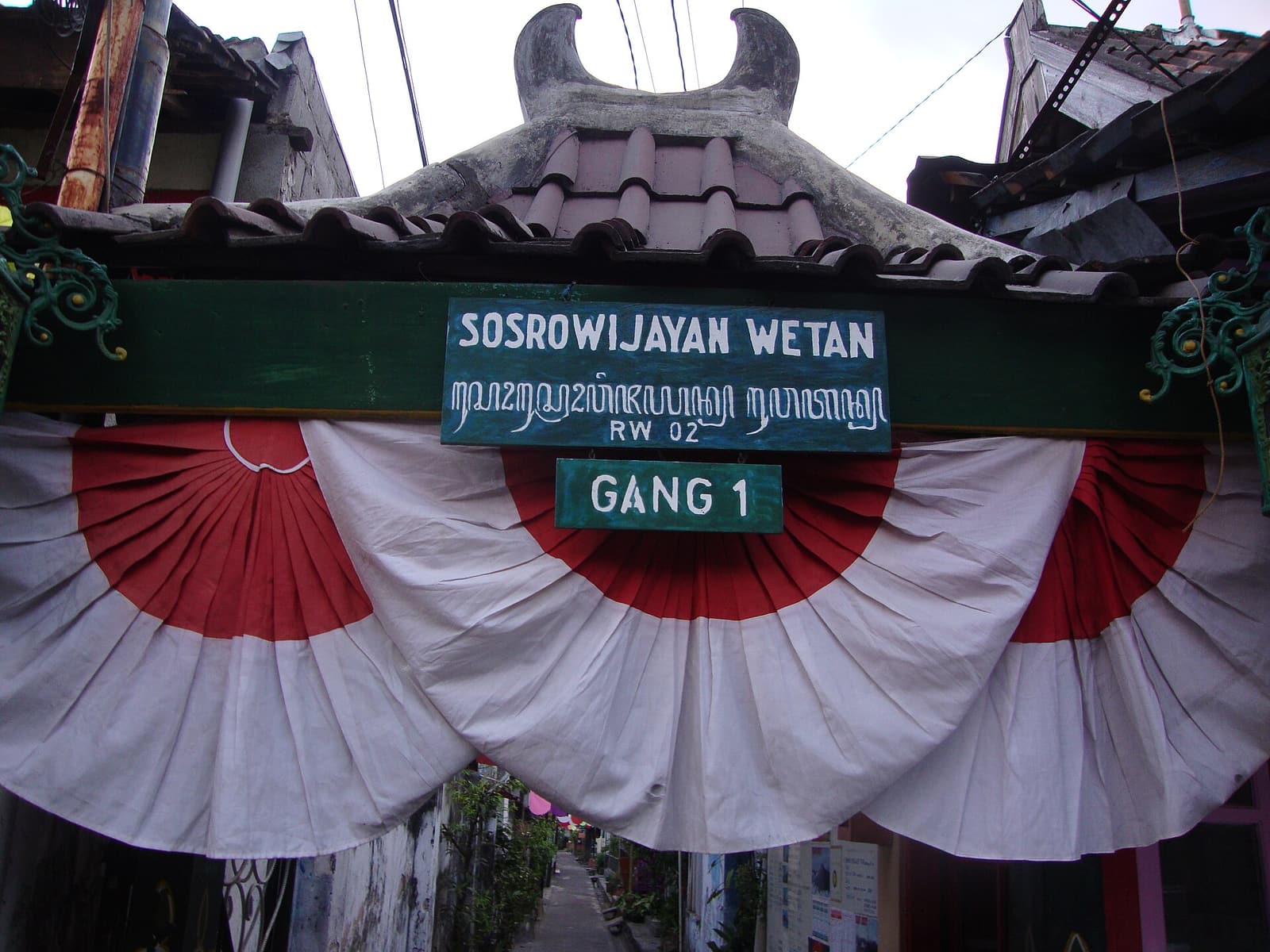
A lane entrance sign reading Sosrowijayan Wetan Gang 1, hung with red-and-white bunting On and around Malioboro Street

Sosrowijayan

The backpacker lanes by the station

Between Tugu station and the top of Malioboro, the narrow lanes of Sosrowijayan have housed budget travellers for decades. Expect guesthouses, cafés, travel desks, laundry and small batik galleries — all a few steps from the street.

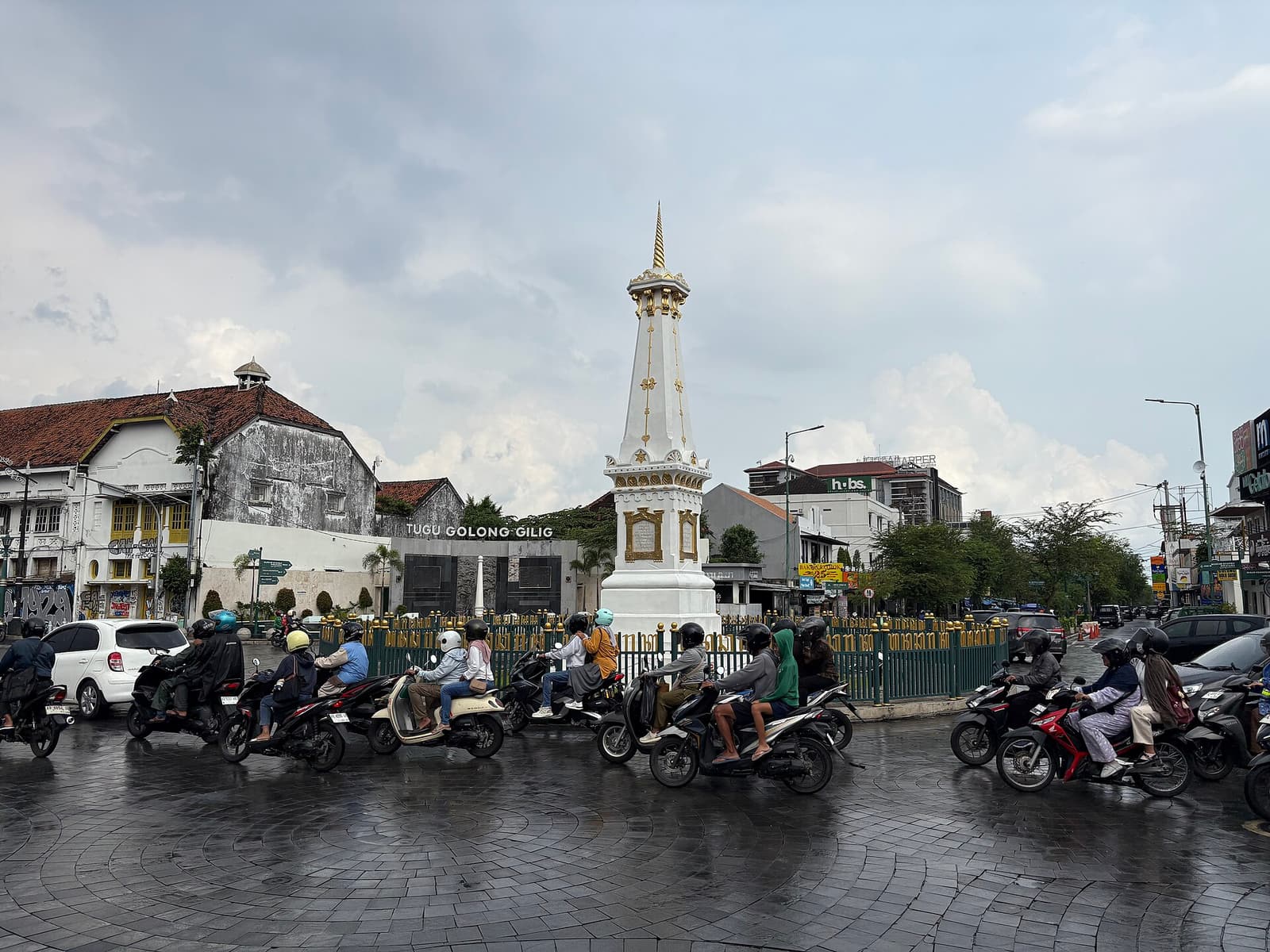
The white Tugu monument in the middle of a wet junction with passing motorbikes On and around Malioboro Street

Tugu Monument

The white pillar at the top of the axis

Tugu Yogyakarta, the white-and-gold monument in the middle of a junction north of the station, marks the northern anchor of the line that runs through Malioboro to the Kraton. It is the emblem of the city and a ritual photo stop.

The Kraton and the royal city

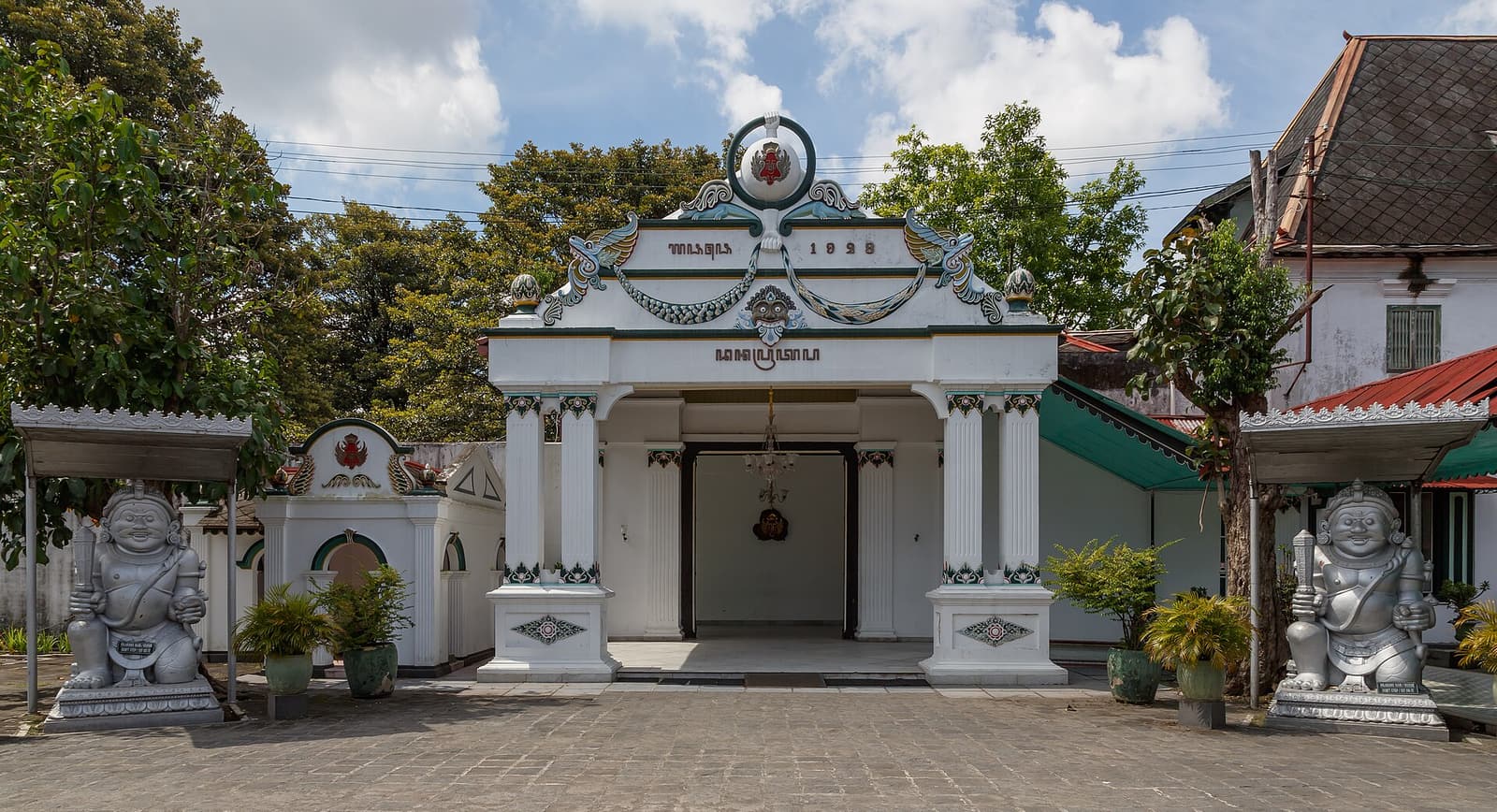
A white ornamental gate in the Kraton of Yogyakarta The Kraton and the royal city

Kraton (Sultan’s Palace)

A living Javanese court

The Kraton Ngayogyakarta Hadiningrat has been the seat of the sultans of Yogyakarta since the 1750s and is still a royal residence. Visitors walk through pavilions and courtyards, small museums of court heirlooms and, on some mornings, performances of gamelan or dance.

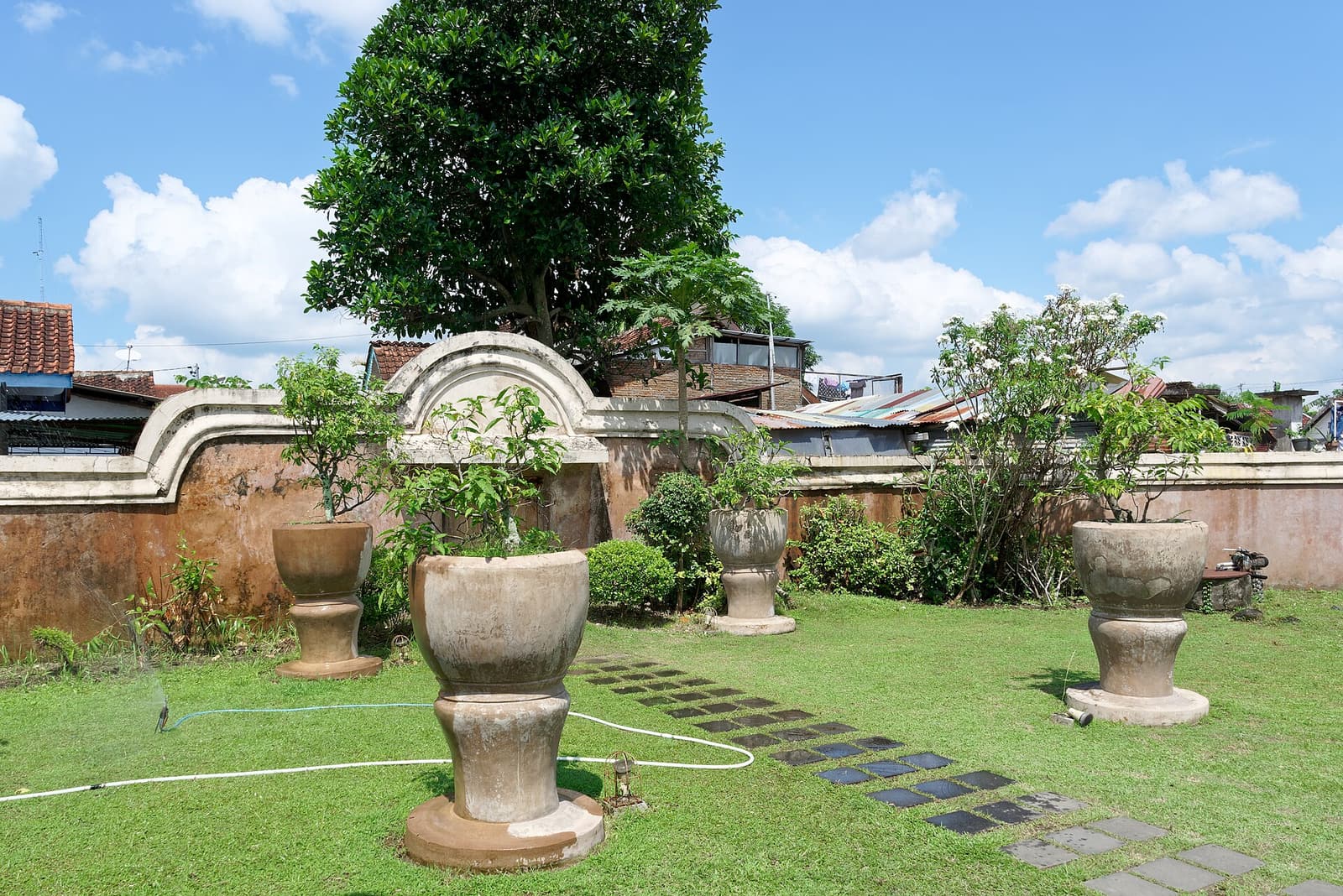
Lawns, giant flowerpots and a curved gateway at Taman Sari The Kraton and the royal city

Taman Sari (Water Castle)

Royal pools, tunnels and a hidden mosque

Taman Sari was an 18th-century pleasure garden for the Sultan and his court: bathing pools behind high walls, underground passages and the circular Sumur Gumuling, all woven into a lived-in kampung a short ride from the Kraton.

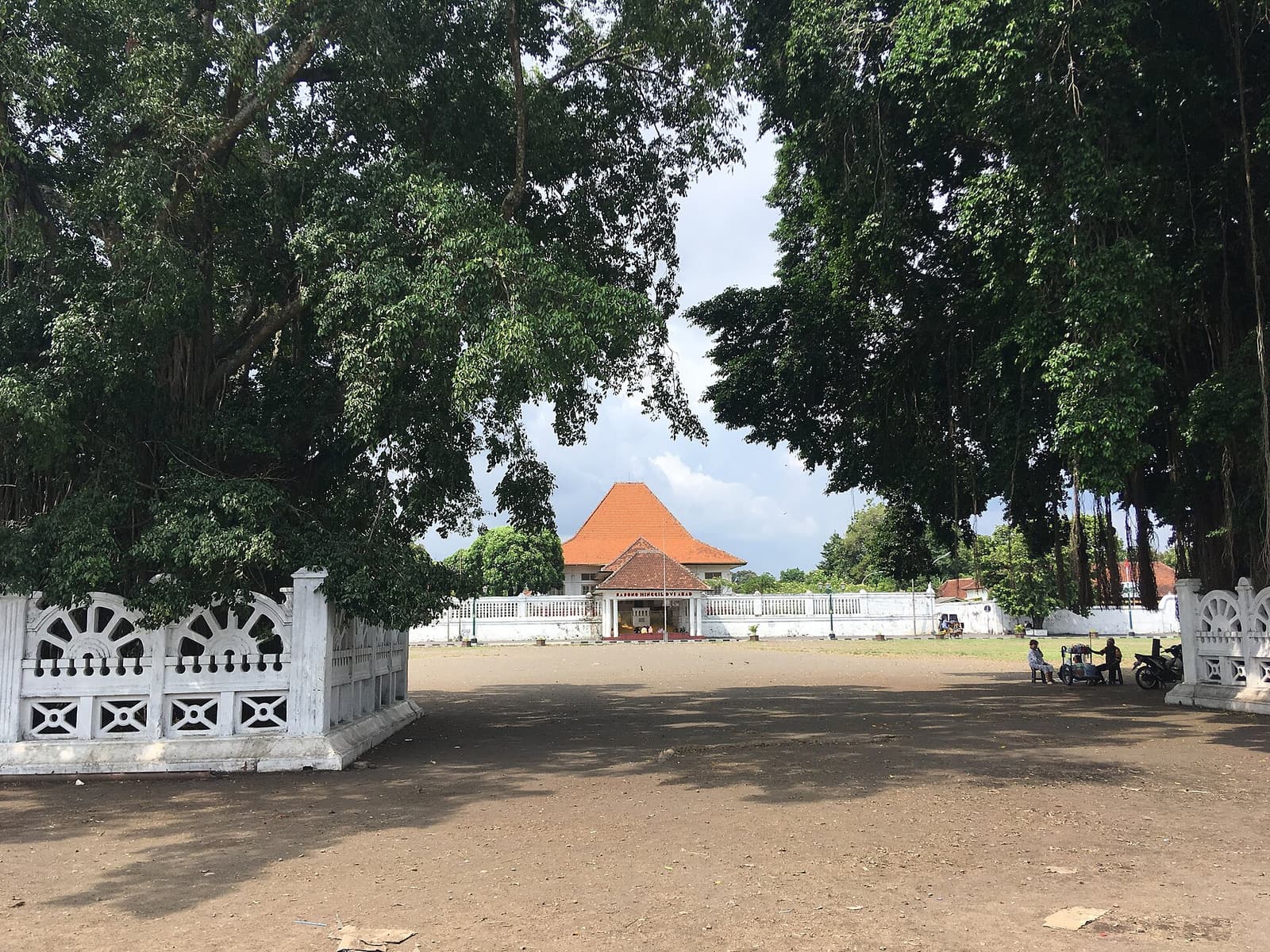
The sandy square of Alun-Alun Kidul framed by banyan trees The Kraton and the royal city

Alun-Alun Kidul

Twin banyans and neon pedal cars

The southern palace square, known as Alkid, comes alive at night with snack sellers, light-covered pedal cars and people trying to walk blindfolded between the two sacred banyan trees — a game called Masangin.

Day trips from Malioboro

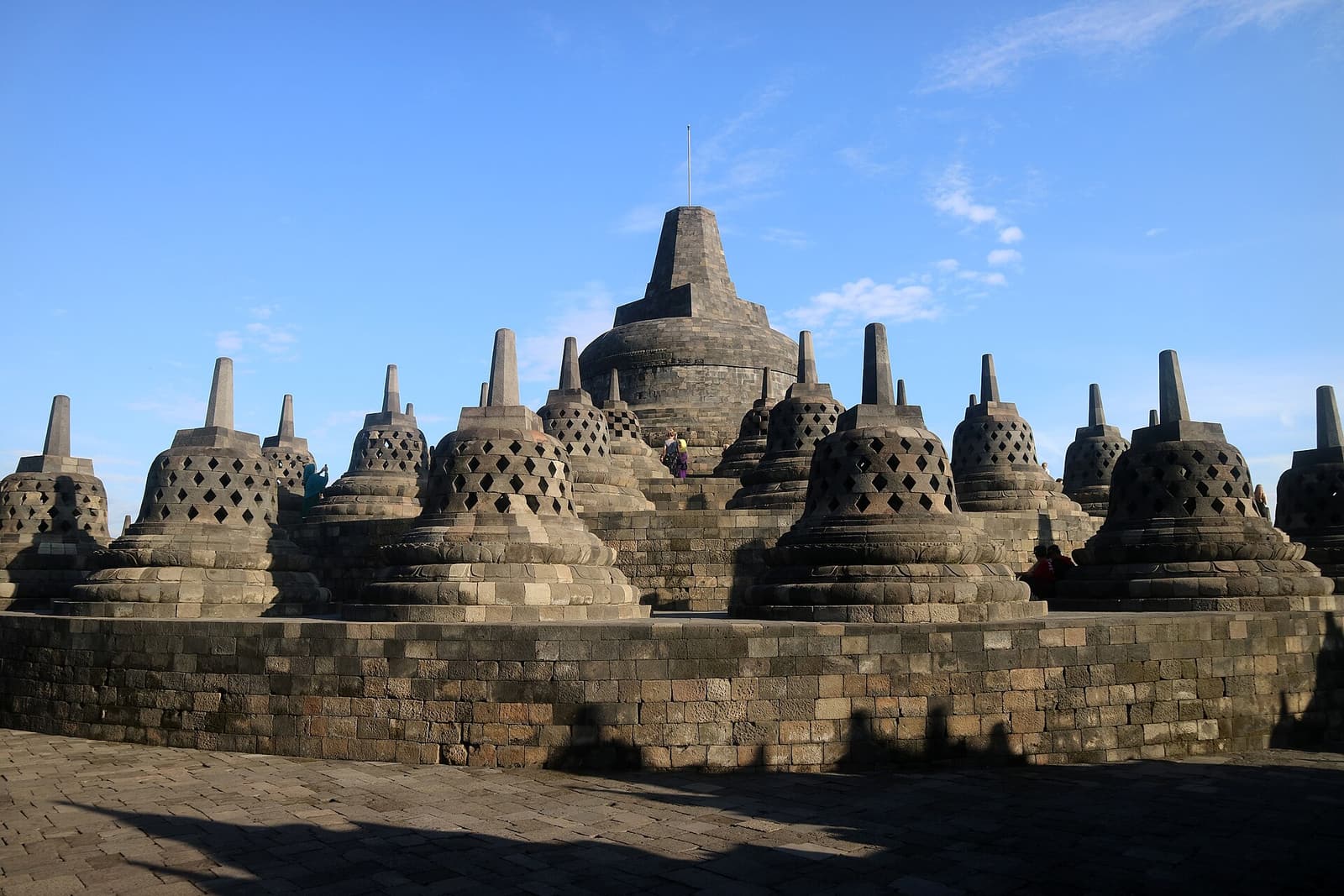
Bell-shaped stupas on the upper terrace of Borobudur Day trips from Malioboro

Borobudur

The world’s largest Buddhist monument

Built in the 9th century and buried for centuries under ash and jungle, Borobudur is a stone mandala of terraces, relief galleries and bell-shaped stupas about 40 km north-west of Yogyakarta — the classic day trip from the city.

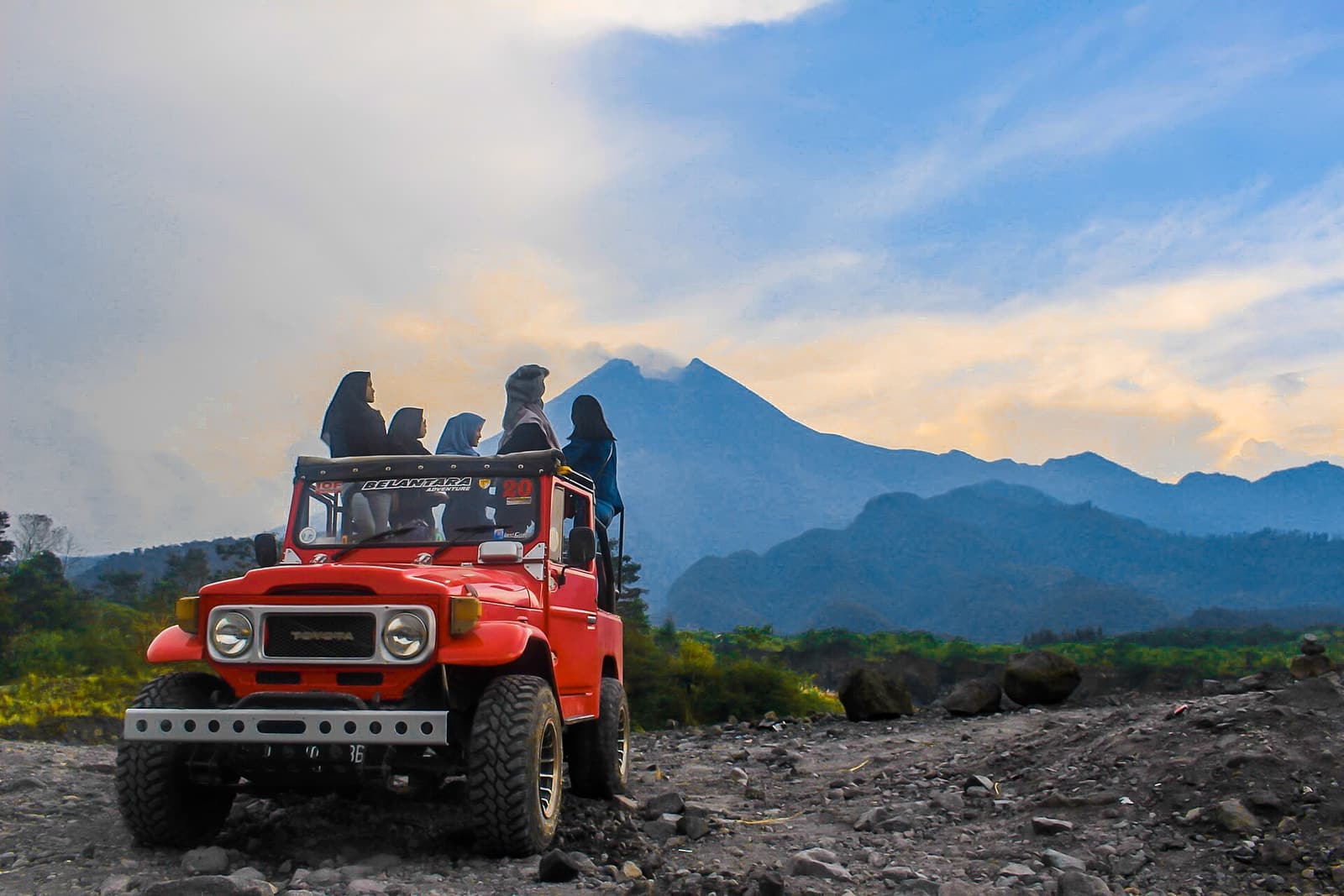
A red jeep carrying passengers below the cone of Mount Merapi Day trips from Malioboro

Mount Merapi

The volcano at the head of the axis

Merapi, one of the most active volcanoes in Indonesia, rises about 30 km north of Malioboro. Jeep tours cross the lava fields left by the 2010 eruption on its southern slopes, with museum stops and wide views on clear mornings.

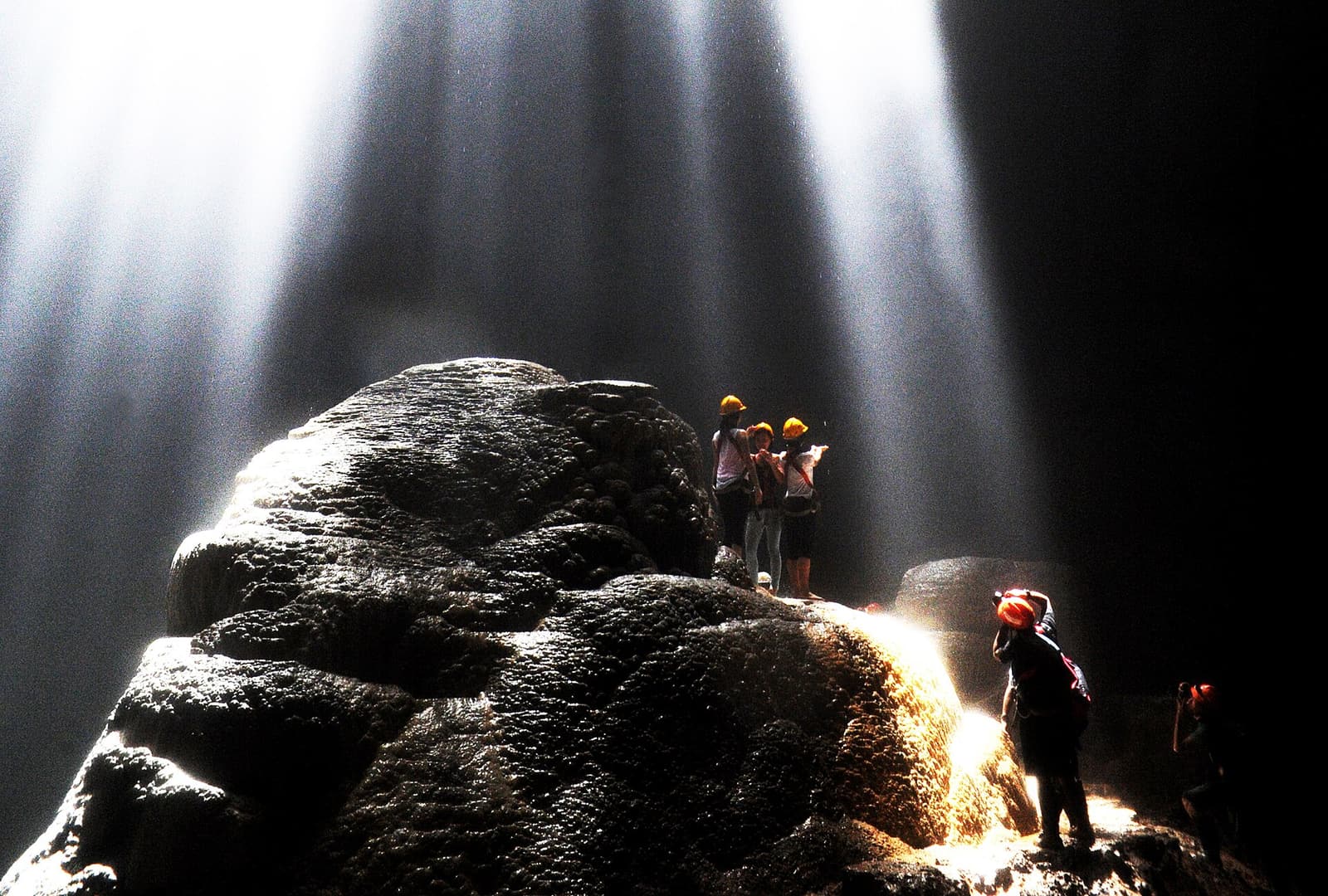
People standing on rocks in shafts of sunlight inside Jomblang Cave Day trips from Malioboro

Jomblang Cave

A rope descent to the “light of heaven”

In the Gunungkidul hills south-east of the city, visitors are lowered about 60 metres by rope into a forested sinkhole, then walk through a tunnel to a chamber where the midday sun falls in beams from the roof.

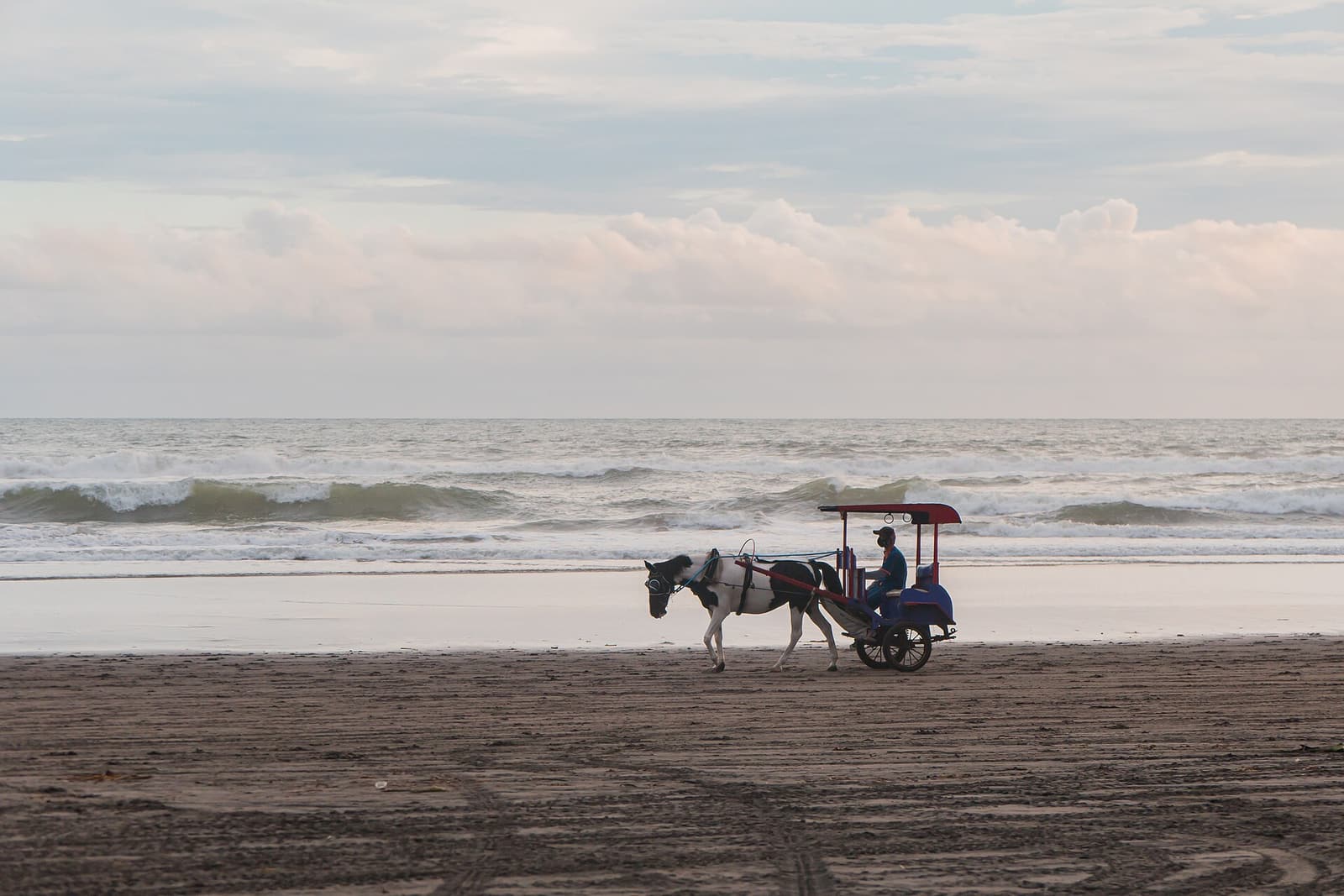
A horse cart crossing the wet sand at Parangtritis Beach Day trips from Malioboro

Parangtritis Beach

Black sand at the ocean end of the axis

Parangtritis is the wide, dark-sand beach on the Indian Ocean about 27 km south of the city, tied in Javanese belief to the Queen of the South Sea. Come for sunset, horse carts and nearby sand dunes — not for swimming.

How to put them together

  • A morning: Pasar Beringharjo when it opens, then Fort Vredeburg and Ketandan.
  • Another morning: the Kraton first, Taman Sari second — both close by early afternoon.
  • Every evening: the street itself, street food, and Titik Nol or Alun-Alun Kidul.
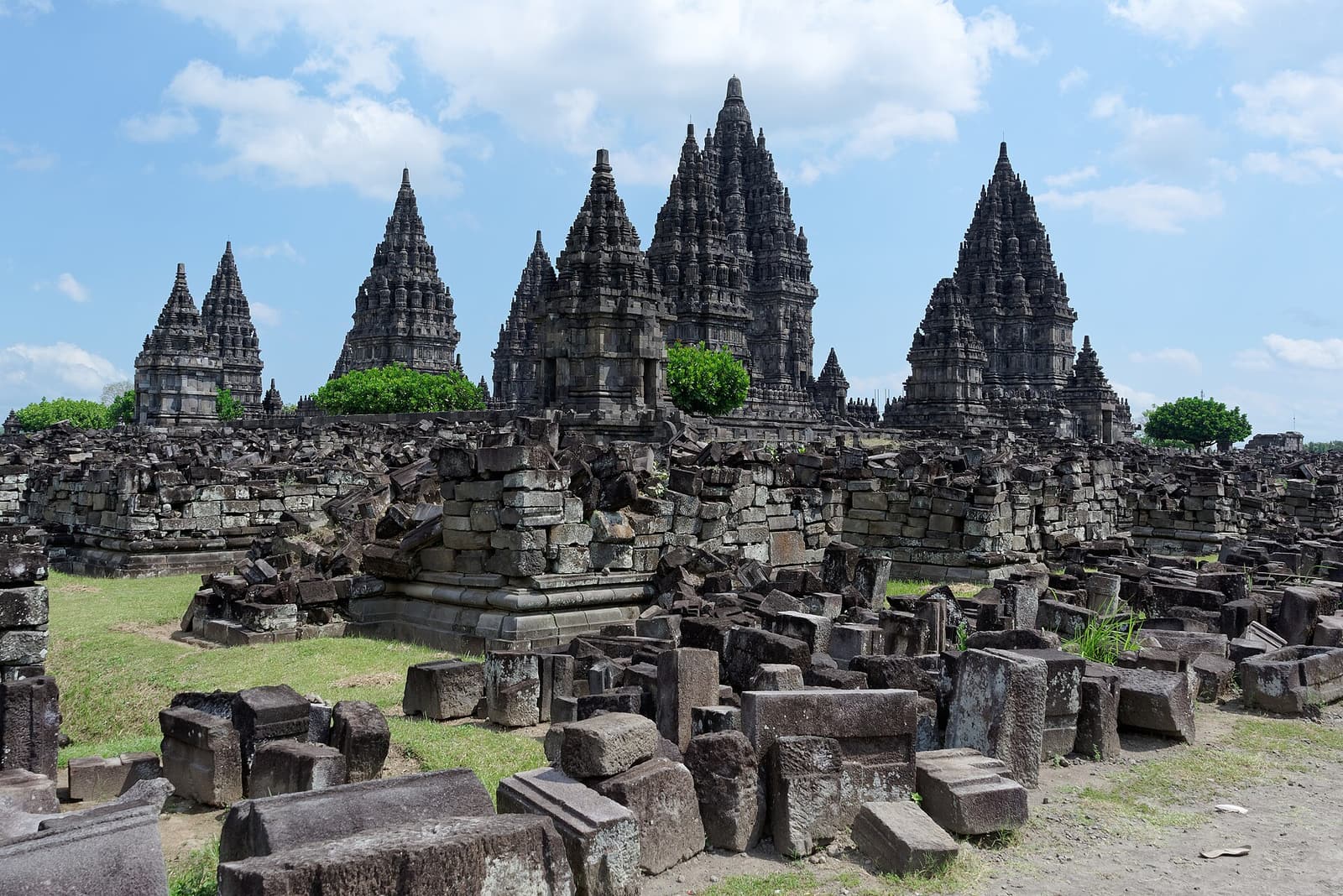
  • Full days: Borobudur (north-west), Prambanan (east), Merapi (north), Jomblang (south-east) and Parangtritis (south) each lie in a different direction; pair at most two.

For sample day-by-day plans, see the travel guide; to compare organised trips, see the best tours.

Plan your Yogyakarta days

Make the most of Malioboro

Compare the best-rated food walks, batik workshops, palace tours and temple day trips from Yogyakarta, and book in a couple of taps.